
Web Applications for Everybody

- Description
- Curriculum
- FAQ
- Notice
- Reviews
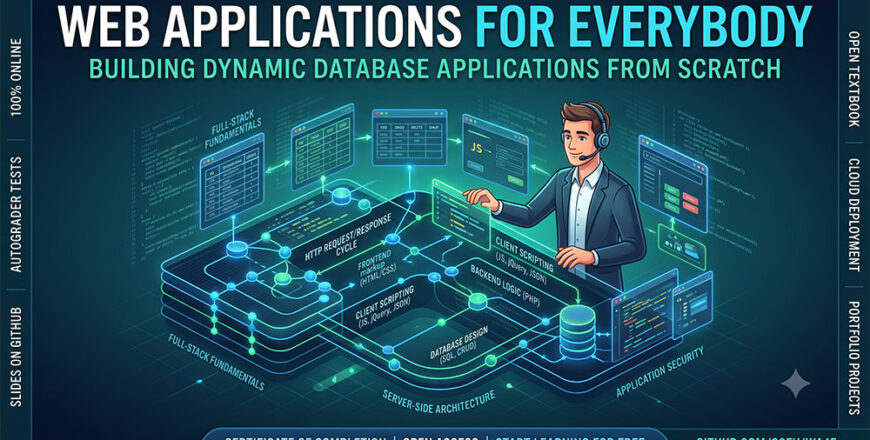
Demystify the foundational stack that powers the modern internet. Web Applications for Everybody provides a complete, hands-on introduction to web application development, taking you from raw browser mechanics to building database-driven applications.
Guided by industry concepts, you will explore the full structure of web architectures and master the fundamental HTTP Request/Response Cycle. You will build web pages with HTML, inject layout design using CSS, and introduce dynamic interactivity via JavaScript, jQuery, and JSON.
Unlike purely theoretical bootcamps, this course focuses heavily on backend server capability using PHP and relational database design via SQL. You will learn to architect complex databases, build functioning CRUD (Create, Read, Update, Delete) architectures, and manipulate backend system states.
Course Acknowledgement
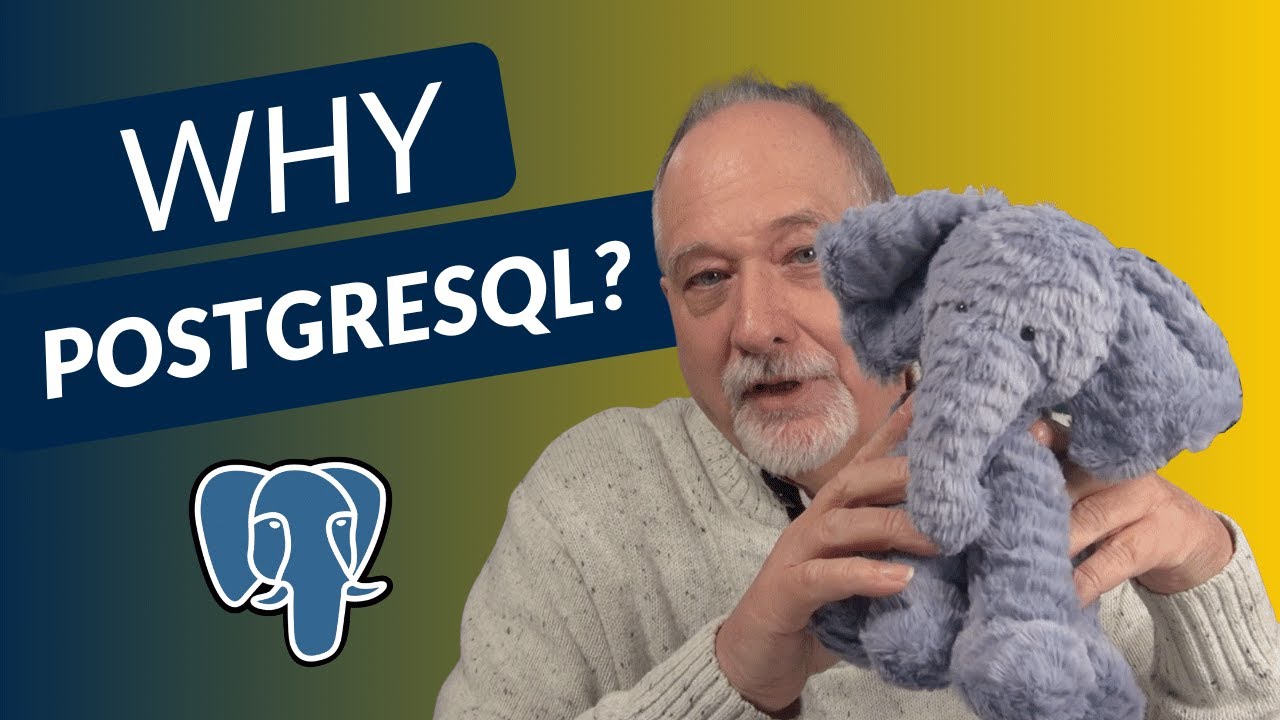 Generiss Academy gratefully acknowledges Dr. Charles Severance (widely known as Dr. Chuck) for authoring the PostgreSQL for Everybody curriculum. This educational content is generously provided free of charge and is licensed under a Creative Commons License (CCL), supporting the global mission of open-access education.
To explore more of his educational initiatives, open-source projects, and learning resources, visit his official website at online.dr-chuck.com.

Course Duration
-
Estimated Time: 6 to 8 weeks (Self-paced, flexible timeline)
-
Format: 100% online with video lectures, transparent GitHub code repositories, and instantly executing automated code testing platforms.
Career Paths, Roles, and Opportunities
Full-stack fundamentals are the most enduring skills in the technology sector. By mastering how data cycles from a user's browser to a system database, you open doors across software development and IT management.
Common Industry Roles
-
Junior Full-Stack Developer: Writing clean web markup while developing server-side configurations.
-
PHP / Backend Developer: Constructing application program logic, security pathways, and system scripts.
-
Web Content & Implementation Engineer: Managing deployments, maintaining database connectivity, and executing standard CRUD workflows for enterprise websites.
Current Market Salaries (UK & US)
Web development and backend software engineering command highly sustainable salaries globally, particularly for developers who understand core architecture rather than just visual framework templates.
Region Average Base Salary Top-Tier / Senior Range United States (US) $103,000 – $133,000 / year Up to $169,000+ / year United Kingdom (UK) £45,000 – £58,000 / year Up to £95,000+ / yearNote: Salaries are influenced by geography and experience. Mastery of foundational full-stack concepts serves as the primary stepping stone into specialized, high-paying software architectural assignments.



 Generiss Support Chat