Full Stack Web Development


- Description
- Curriculum
- FAQ
- Notice
- Reviews
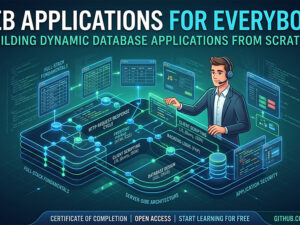
This Full-Stack Web Development course equips learners with the skills necessary to build both the client-side (front-end) and server-side (back-end) components of web applications. Participants delve into foundational technologies such as HTML, CSS, and JavaScript for creating dynamic and responsive user interfaces.
The curriculum extends to cover server-side programming languages, database management, API development, and deployment strategies. Through hands-on projects and real-world applications, students gain practical experience in crafting end-to-end solutions, honing their abilities in version control, security practices, and collaborative development workflows.
The course often concludes with a capstone project, allowing students to showcase their proficiency in creating fully functional web applications. Overall, Full-Stack web development courses provide a comprehensive skill set essential for professionals seeking versatility in the rapidly evolving field of web development.
As part of this course you will get:
- Free Website space and hosting for your coding practice,brand or business
- Free Domain Registration
- Foreign Certifications For Those Interested In Remote Jobs
- Work On Real-World Projects From Industry Experts
2 Months Technical Mentor Support - Career Services And Resume Support To Help You Land Remote Job Opportunities
Audience
- This course is for anyone who wants to learn about web development, regardless of previous experience
- It’s perfect for complete beginners with zero experience
- It’s also great for anyone who does have some experience in a few of the technologies(like HTML and CSS) but not all
- If you want to take ONE COURSE to learn everything you need to know about web development, take this course
Pre-requisites
- Basic understanding of programming concepts
- Knowledge of Python language fundamentals
- Familiarity with HTML, CSS, and JavaScript
- Understanding of databases and SQL queries
- Experience with Python frameworks, preferably Django or Flask
- Comfortable with version control systems, preferably Git.

Completing the Full-Stack web development course opens up a range of career prospects in the rapidly evolving field of technology. Here are some common career paths and prospects for individuals with Full-Stack web development skills:
-
Full-Stack Developer:
- Full-Stack developers have proficiency in both front-end and back-end technologies, allowing them to work on all aspects of web application development. They are in high demand by companies looking for versatile developers capable of handling end-to-end projects.
-
Front-End Developer:
- Individuals with strong front-end skills can pursue roles as dedicated front-end developers, focusing on creating engaging user interfaces and optimizing the user experience.
-
Back-End Developer:
- Those with a preference for server-side programming and database management can specialize as back-end developers. They work on server logic, databases, and APIs to ensure smooth data flow and application functionality.
-
UI/UX Developer or Designer:
- Understanding both front-end and back-end development allows individuals to contribute to the design and user experience aspects of web applications, making them well-suited for UI/UX roles.
-
Web Application Developer:
- Web application developers work on creating, maintaining, and optimizing web applications. This role may involve collaborating with cross-functional teams and ensuring the seamless integration of front-end and back-end components.
-
Software Engineer:
- Full-Stack developers are often sought after as software engineers who can contribute to the entire software development lifecycle. They may work on diverse projects, including mobile applications, enterprise solutions, and more.
-
Entrepreneur/Startup Founder:
- Armed with Full-Stack skills, individuals can embark on entrepreneurial ventures, either founding their startups or contributing to small teams. The ability to handle various aspects of development is advantageous in startup environments.
-
Freelancer/Consultant:
- Full-Stack developers can work as freelancers or consultants, offering their services to businesses in need of web development expertise. This provides flexibility and the opportunity to work on a variety of projects.
-
Technical Project Manager:
- With a solid understanding of both front-end and back-end development, individuals can transition into project management roles, overseeing development teams and ensuring the successful delivery of projects.
-
DevOps Engineer:
- Full-Stack developers may also explore roles in DevOps, contributing to the deployment, automation, and continuous integration/continuous deployment (CI/CD) processes.
The demand for Full-Stack developers is consistently high, and individuals with these skills often find themselves well-positioned for diverse and challenging roles in the tech industry. Continuous learning and staying updated on industry trends can further enhance career growth opportunities.